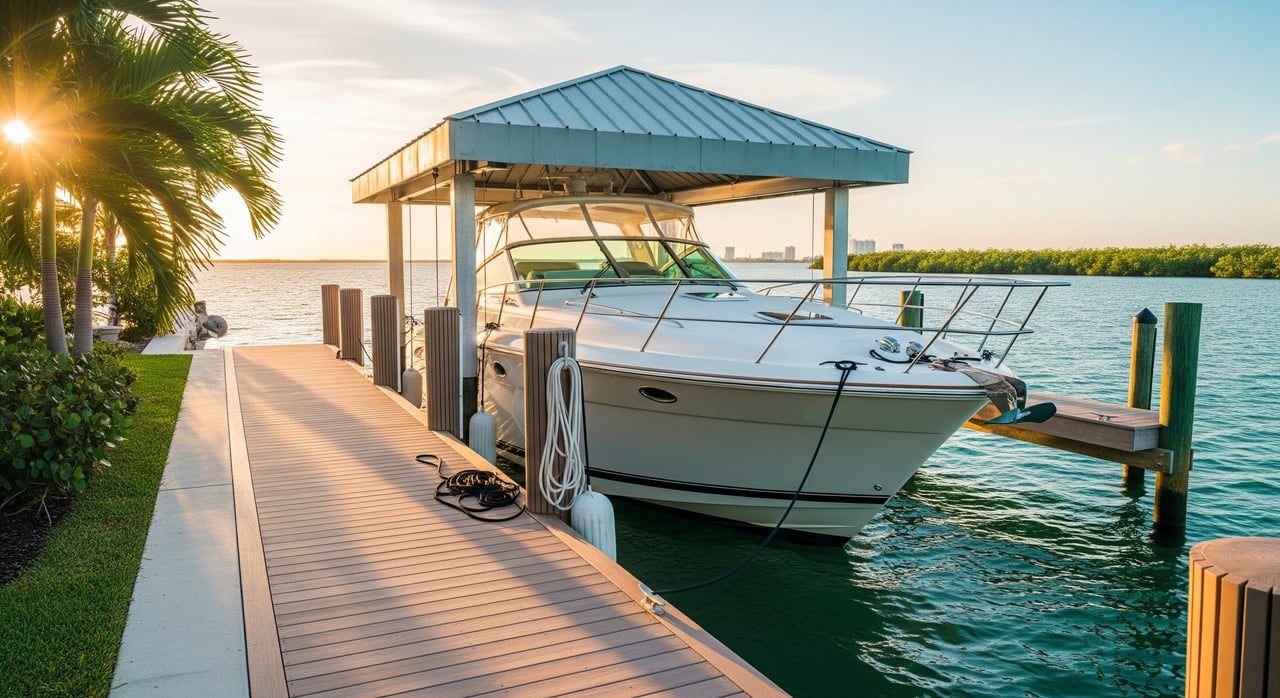
Picture this: you step from your Siesta Key backyard, the water is calm, and your boat is ready. If you are shopping in 34242 or preparing to sell a waterfront home, the right dock setup can make daily life on the water simple and safe. It can also affect your budget, timeline, and future resale. In this guide, you will learn the main dock types, how local rules shape what you can build, and what to check before you buy or list. Let’s dive in.
Why dock type matters on Siesta Key
Siesta Key sits between the Gulf of Mexico and Sarasota Bay with canals, lagoons, and Intracoastal access. Conditions vary block by block. Water depth, seagrass, and wave exposure all influence what you can install and how it will perform.
Choosing the right system helps you use your boat more often, protects your shoreline, and reduces maintenance. It also keeps you aligned with local permitting and environmental protections that are important across Sarasota Bay.
Dock types at a glance
Fixed pier docks
A fixed pier is a walkway on pilings driven into the seabed. It can be timber, composite, or concrete. These docks are stable for walking and furniture and can be long-lasting in protected waters.
Pros:
- Solid and steady feel for daily use.
- Composite or concrete decking can reduce upkeep.
Cons:
- Tidal changes can restrict access for deeper drafts.
- More complex to permit where seagrass or mangroves are present.
- Harder to remove or adjust before storms.
Local fit: Fixed piers are common along protected canals and seawalls on Siesta Key. Expect careful environmental review if sensitive habitat is nearby.
Floating docks
Floating docks rise and fall with the tide and are anchored with chains, anchors, or pilings with guides. They keep a consistent step between your boat and the dock.
Pros:
- Easier boarding because the dock follows the water level.
- Can reduce impacts on the water column when properly installed.
Cons:
- More movement in heavy wave action.
- Floats and anchoring systems need periodic attention.
Local fit: A strong option in shallow or narrow canals where the Gulf coast’s modest tidal range works in your favor.
Boat lifts
A boat lift raises your vessel out of the water onto a cradle or platform. Lifts reduce hull growth and corrosion and make frequent use simple.
Pros:
- Protects your boat from marine growth.
- Speeds up launch and return.
Cons:
- Requires power, controls, and ongoing service.
- Must match capacity to your boat and local water depth.
Local fit: Popular on private docks when there is enough depth and space to install support pilings and a safe approach.
Wet slips and private slips
A wet slip keeps your boat in the water at a marina or community dock. Full-service marinas often add fuel, pump-out, and security.
Pros:
- Little to no homeowner maintenance.
- Access to marina amenities.
Cons:
- Monthly or annual fees.
- Distance from your property and possible waitlists.
Local fit: A good backup if on-site construction is limited by permitting or space.
Dry-stack storage
Dry-stack, or rack storage, holds your boat in a stacked facility and launches it with a crane.
Pros:
- Strong weather protection and reduced hull maintenance.
- No dock maintenance at home.
Cons:
- Access is limited to marina hours and service schedules.
- Costs vary with boat size and demand.
Local fit: Useful if you want a secure option during storm season or cannot build a dock.
Mooring buoys
A mooring buoy anchors offshore for you to tie up.
Pros:
- Minimal shoreline disturbance.
- Fewer structural elements to permit.
Cons:
- Exposure to weather.
- Requires a tender for shore access.
Local fit: Limited in busy waterways and subject to local rules.
Public ramps and shared docks
Public ramps, HOA docks, and community slips provide shared access.
Pros:
- Lower cost and less personal maintenance.
Cons:
- Rules, availability, and waitlists vary.
Local fit: Many Siesta Key and Sarasota residents use shared options to keep costs down while staying on the water.
Seawalls and shoreline structures
Seawalls, bulkheads, and revetments protect your shoreline and often support docks.
Pros:
- Helps control erosion.
- Provides structure for pilings.
Cons:
- Requires permits and maintenance.
- Can affect shoreline dynamics.
Local fit: Coordinate seawall condition and design with any dock plan.
Permits and rules you should know
Who to contact first
Most projects touch multiple agencies. Start with these:
- Sarasota County for shoreline and coastal permitting, zoning, and code.
- Florida Department of Environmental Protection for state permits and questions about sovereign submerged lands.
- U.S. Army Corps of Engineers for work in navigable waters or wetlands.
- Florida Fish and Wildlife Conservation Commission for guidance on manatee protection and wildlife.
- Your HOA or condominium association for community rules on shared docks.
Typical approvals and surveys
Plan for a county coastal construction permit, plus state authorization if your work extends over sovereign submerged lands. Federal permits may apply if your project affects navigable waters or requires dredging.
Environmental surveys are common. Seagrass and mangrove assessments can drive design choices, like using floating sections or adjusting pier length. You may also face setback rules, turbidity control during work, and seasonal timing to protect habitat.
Environmental constraints that shape design
Sarasota Bay supports protected seagrass beds that can limit piling placement. Manatee zones may influence placement and vessel speed as you enter or exit your property. Mangrove trimming and dune impacts are regulated and can trigger restoration or mitigation. Plan for water quality controls during construction.
Property rights and navigation
Waterfront owners typically hold rights to access and make reasonable use of adjacent waters, but those rights must align with state and local rules and public navigation. Recorded easements or community agreements may limit private docks or require shared arrangements. Docks cannot obstruct channels.
Timelines and hurdles
Permitting often takes months, commonly 3 to 12 or more depending on complexity and agency workload. Hurdles include seagrass mitigation, shoreline setbacks, neighbor input, and submerged land leases where applicable.
Site planning checklist for 34242
Physical site factors
Before you design or buy, gather the basics:
- Water depth at mean low and mean high. This sets what boat drafts and lifts are realistic.
- Tidal range. Modest on the Gulf coast, but still important for fixed vs floating choices.
- Seabed type. Sand, rock, or seagrass affects anchors, pilings, and feasibility.
- Wave exposure. Open bay frontage needs sturdier design than protected canals.
- Bridge clearance and overhead lines. Sail masts and towers matter.
- Nearby channels, no-wake zones, and traffic patterns.
Boat specs that drive the build
Match the dock to your vessel and routine:
- Length, beam, and draft. Size the slip or lift to your boat.
- Typical use. Frequent outings favor lifts and easy boarding.
- Boat type. Sailboats need more clearance. Shallow-draft boats can work in skinny water.
Utilities and services
Plan utilities early to avoid rework:
- Electrical for lifts, lights, and pumps. Expect trenching and permits.
- Potable water at the dock with safe hose routing.
- Pump-out access, either on-site or at a nearby marina.
- Fueling at marinas. Most private docks do not store fuel.
- Lighting that follows local codes and protects night skies and wildlife.
Storm and hurricane planning
Build with storms in mind:
- Design for higher loads or create removable sections you can secure quickly.
- Have a boat evacuation plan to a marina or dry-stack when storms threaten.
- Service lifts, check tie-downs, and secure or remove gear before hurricane season.
Costs, materials, and upkeep
Materials and longevity
Your material choices drive lifespan and maintenance:
- Treated timber is affordable but needs sealing and inspections. Marine borers are a concern without proper treatment.
- Composite decking costs more upfront but resists rot and reduces routine upkeep.
- Aluminum framing and hardware help fight corrosion.
- Concrete piles and decking are durable but expensive and used where loads demand it.
- Float modules vary in buoyancy and maintenance needs.
Budget ranges to expect
Budgets vary by site and design:
- A small private residential dock can range from several thousand to tens of thousands of dollars.
- Boatlifts range from several thousand into the tens of thousands based on capacity and features.
- Seawall repair or replacement is often a major expense starting in the tens of thousands and rising with length and method.
- Permitting, surveys, and environmental mitigation can add several thousand to tens of thousands and may be a large portion of the total in sensitive areas.
Local marine contractors and permitting specialists in Sarasota can provide accurate estimates for your site. Dredging needs or complex mitigation can increase costs significantly.
Maintenance rhythm
Set an annual plan:
- Inspect for corrosion, fastener wear, and borer damage.
- Recoat timber, replace worn planks or floats, and service lift motors and cables.
- Do a pre-storm season check. Remove small components and secure lifts and floats as needed.
Insurance and safety
Your homeowner’s policy may not cover docks. Separate marine or dock coverage is often needed. Docks bring premises liability exposure, so post clear rules, manage guest access, and keep safety equipment handy. Marina agreements may include evacuation and liability clauses. Speak with an insurance agent who knows Florida waterfront policies.
Buying or selling with a dock
Buyer checklist before you write an offer
- Ask the seller for permits, surveys, dock plans, and maintenance records.
- Pull Sarasota County permit records to confirm approvals and compliance.
- Order a marine survey for water depth, seabed conditions, and dock structure.
- Review recorded plats, deeds, and any shoreline easements.
- Confirm HOA or community dock rules and waitlists for slips.
- Check flood zone and insurance implications, including wind and hurricane exposure.
Seller checklist before you list
- Gather all permits and maintenance records for the dock and shoreline work.
- Consider a pre-listing inspection of the dock and seawall to get ahead of buyer requests.
- Disclose known deficiencies, any non-permitted work, or pending compliance issues.
A well-built, fully permitted dock can boost appeal for many buyers. The opposite is also true. An unpermitted or deteriorated dock can become a liability that slows a sale or reduces offers. Documentation and condition matter.
Putting it together for 34242
The best Siesta Key boat access for you starts with your location, boat, and routine. Fixed piers suit protected canals, floating sections help in shallow areas, and lifts make frequent use easier. Where private docks are not feasible, wet slips, community docks, and dry-stack can meet your needs without on-site construction. Plan for permits early, respect seagrass and manatee protections, and budget for both construction and care.
If you are weighing options before buying or preparing to list a waterfront home, local guidance can save time and money. Connect with a team that knows the canals, channels, and communities across Siesta Key and Sarasota.
Ready to align your boat access with your next move on Siesta Key? Reach out to Laura Millslagle for neighborhood guidance and a clear plan for buying or selling around 34242. Make Your New Move — Get a Free Home Valuation.
FAQs
What dock type works best for Siesta Key canals?
- In many protected canals, fixed piers and floating docks both work, but floating sections can help in shallow water and modest tides, while fixed piers suit stable, low-wave areas.
How long does Sarasota County dock permitting take?
- Timelines often run several months, commonly 3 to 12 or more, depending on site complexity, environmental review, and agency workload.
How do seagrass and manatee rules affect my dock design?
- Seagrass surveys and manatee protections can change layout, materials, and work windows, and may favor floating designs or adjusted pier lengths to avoid sensitive habitat.
Can I build a private dock if there is an HOA or recorded easement?
- It depends on your governing documents and recorded rights; shared easements or HOA rules can limit private docks or require shared-cost arrangements.
Will adding a boat lift increase resale value in Sarasota?
- For many buyers a legal, well-built dock or lift adds appeal, but unpermitted or deteriorated structures can reduce interest and become a liability.
Do I need a seawall on my Siesta Key property?
- Only if erosion is a concern; seawalls require permits and ongoing maintenance, so assess shoreline conditions and coordinate with any dock plan.