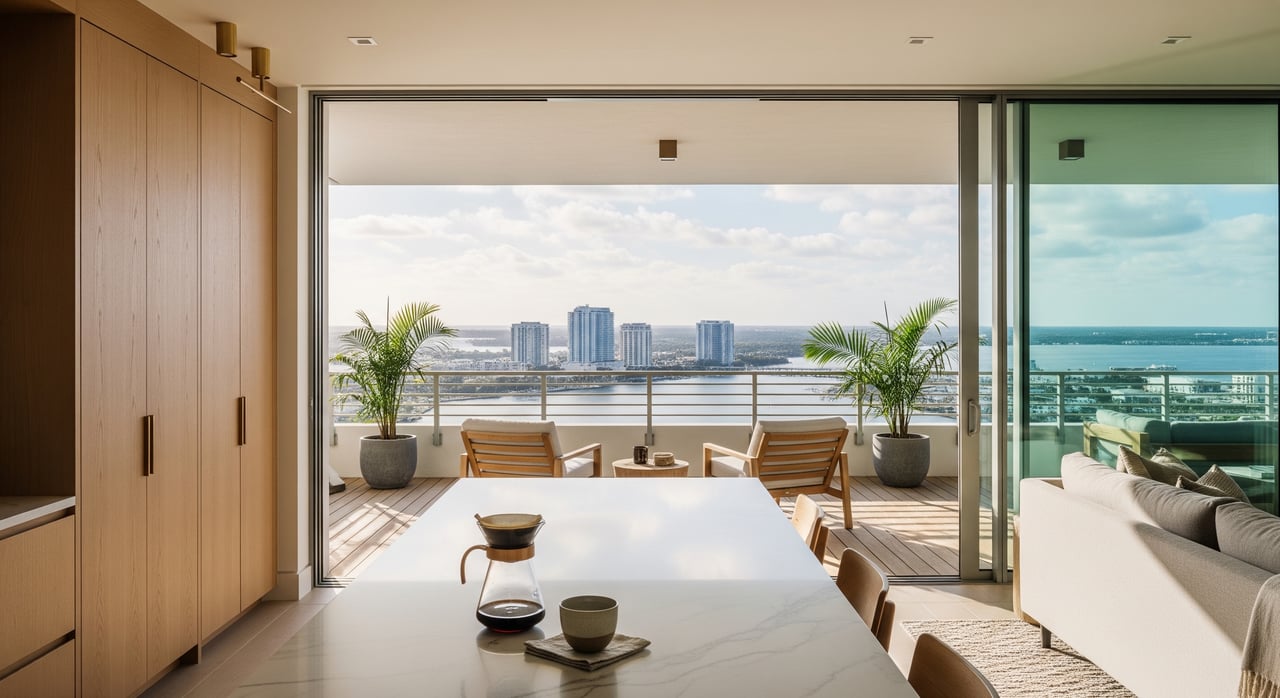
Imagine stepping out your front door and strolling to the Bayfront for sunrise, coffee in hand, then walking to dinner and a show that night. If you want a low-maintenance, lock-and-leave lifestyle, downtown Sarasota condo living puts daily essentials, arts, and the water close by. In this guide, you’ll see what a typical day looks like, what amenities you can expect, and what to check before you buy. Let’s dive in.
Living downtown: what to expect
Walkability and daily errands
Downtown Sarasota centers around the Bayfront, Main Street, Palm Avenue, and the Five Points area. From many condo buildings, you can walk to cafes, restaurants, small grocery options, boutiques, and the popular Sarasota Farmers Market on Saturdays. The exact walk time depends on your building, so plan to map distances from the specific unit you’re considering.
You will also find regular destinations like Bayfront Park, museums, theaters, and waterfront promenades a short walk or ride away. The area mixes residential towers with shops and offices, so many errands fit neatly into a morning or midday loop.
Getting to beaches and the airport
Siesta Key and Lido Key beaches are a short drive from most downtown buildings, often 10 to 25 minutes depending on traffic and your exact starting point. Sarasota–Bradenton International Airport is also within a reasonable drive for quick departures and arrivals. Local bus service runs through downtown, and rideshare is easy for last-mile trips.
Parking and guest access
Most buildings offer assigned or covered parking, sometimes with valet. Visitor parking is available on nearby streets and in public garages, though availability shifts by block and season. During the winter season, expect higher demand and plan ahead for evening plans.
A typical day in a downtown condo
Morning
Start with a quick walk to a neighborhood coffee shop or café. Many residents enjoy a Bayfront walk or a yoga session before tackling the day. You can pick up fresh produce at the Saturday farmers market or do a small grocery run nearby.
Midday
If you work from home, in-unit space or a building business center can handle video calls and quiet tasks. A quick lunch is easy with restaurants a short walk away. If your building has a fitness center or pool, you can fit in a midday workout or lap session without leaving the property.
Evening
Evenings often revolve around dining and the arts. You can pair dinner out with music or theater at local venues, or enjoy sunset social time on a rooftop terrace. For museum time, consider the collections at The John and Mable Ringling Museum of Art. For performances, check the calendar at Van Wezel Performing Arts Hall. Nature lovers can explore downtown’s Marie Selby Botanical Gardens during daytime hours.
Weekends and the seasonal rhythm
Weekend plans often include trips to Siesta or Lido beach, gallery openings, festivals, and cultural events. Sarasota experiences a pronounced seasonal influx from late fall through early spring. During that time, you will notice busier sidewalks, restaurants, and parking. Plan reservations and travel time accordingly.
On-site amenities you will use
Fitness, pools, rooftops
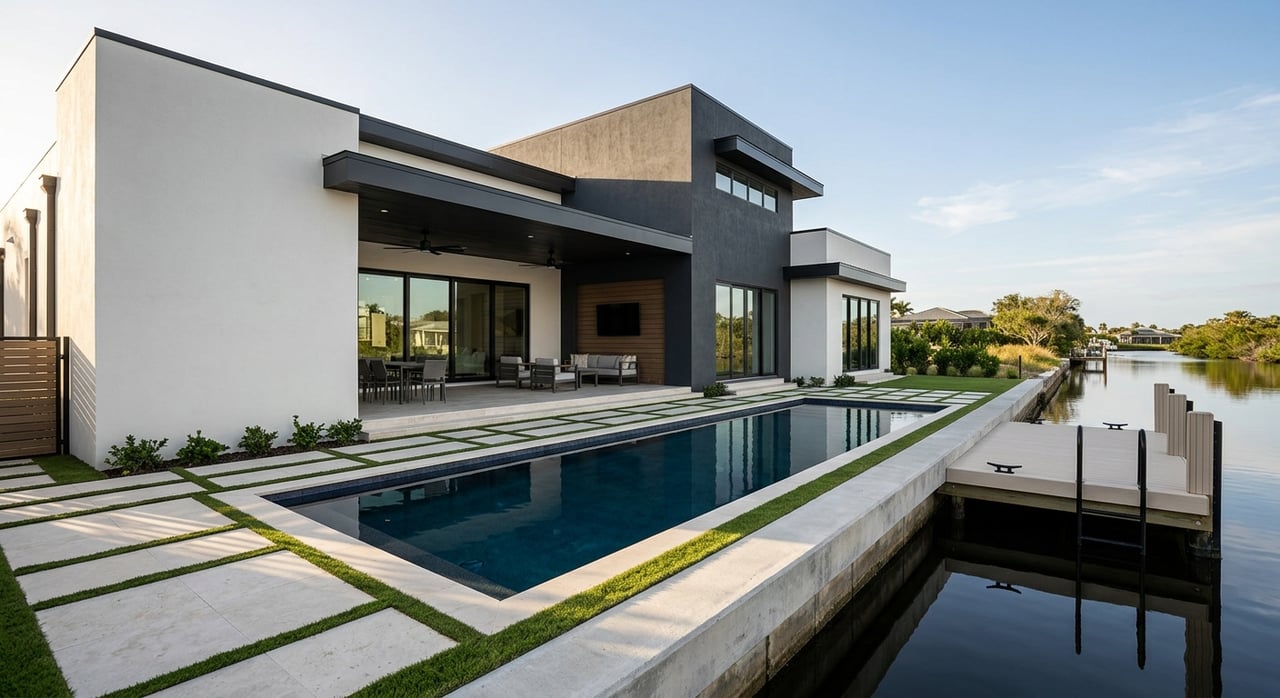
Most downtown buildings include a practical mix of amenities. Common features include fitness centers, lap or resort-style pools, and spa or hot tubs. Rooftop terraces and barbecue areas create easy spaces to gather with neighbors or host friends. Clubhouses, business centers, and guest suites add flexibility for work and visitors.
Services for a lock-and-leave lifestyle
If you travel often, look for security and service features that simplify life. Many buildings offer 24/7 security, secure entry, and a concierge or front desk for package handling. On-site management and maintenance staff help with common-area care, which keeps the property running smoothly while you are away. Some buildings also coordinate with third-party concierge services.
Building resilience and storms
Hurricane readiness is part of condo living in Florida. Many downtown buildings include impact windows or shutters and higher wind-resistance standards, especially newer properties. Backup power and generators vary by building, so confirm what stays online during an outage. Ask about building plans for storm preparation and how communication works during weather events.
HOA fees, insurance, and rules
What fees often cover
Monthly HOA or condo assessments typically fund common-area maintenance, building insurance on the master policy, landscaping, pools, elevators, and some utilities. Every association is different, so review the budget to learn what is included and what is not. Strong reserves help keep future special assessments less likely and maintenance on schedule.
Insurance basics for condos
Your association’s master policy covers the building structure and shared areas to a defined point. You will generally need an HO-6 policy for interior finishes, personal property, loss of use, and liability. Confirm whether the master policy is walls-in or walls-out, and ask how windstorm coverage is handled. If the property is in a FEMA-designated flood zone, a lender may require flood insurance; you can check maps at the FEMA Flood Map Service Center.
Rental policies and occupancy
Short-term rental rules vary by association and local regulation. Some buildings allow seasonal rentals with minimum stays, while others prohibit short-term rentals. If you plan to rent your unit, verify the house rules and any city or county requirements before you buy. Also consider how a mix of full-time and seasonal residents may affect noise, turnover, and community feel.
Costs and taxes
Total cost of ownership depends on your purchase price, HOA fees, insurance, property taxes, utilities, and maintenance. Downtown Sarasota offers options from entry-level condos to luxury penthouses, so set a realistic budget that covers both monthly expenses and reserves. Florida does not have a state income tax, and the homestead exemption is available for primary residences, not typically for second homes or investment units.
How to choose the right building
Use this practical checklist to match your lifestyle with the right property:
Location and walkability
- Count daily destinations within a comfortable walk from the specific unit. Include groceries, pharmacies, gyms, coffee, restaurants, and theaters.
- Check sidewalk quality, lighting, and crosswalks on your likely routes.
Building and unit specifics
- Confirm amenities and which are funded through HOA fees.
- Ask if parking is assigned and deeded, and how guest parking works.
- Verify hurricane shutters or impact windows and the storm prep plan.
- Review any recent or pending special assessments.
HOA governance and finances
- Request the budget, reserve study, meeting minutes for the last 12 to 24 months, bylaws, house rules, and insurance certificates.
- Confirm rental restrictions and owner-rental rules.
Insurance and flood risk
- Verify master policy coverage, deductibles, and wind or flood coverage.
- Check the unit’s FEMA flood zone and elevation information if available, and ask about any mitigation steps.
Noise, privacy, and occupancy mix
- Ask about the mix of full-time and seasonal residents.
- Learn whether short-term rentals are common.
Maintenance and service levels
- Ask about response times for in-unit issues and whether there is on-site management or maintenance.
Access to beaches and services
- Confirm your typical drive times to Siesta Key, Lido Key, and medical centers.
Ready to explore condos?
If you want a lifestyle that blends walkable dining and arts with on-site amenities and easy travel, a downtown Sarasota condo can be a strong fit. Your experience will come down to the building’s location, services, and association health, so a careful review upfront pays off later. When you are ready to tour buildings or review HOA details, connect with Laura Millslagle for local guidance tailored to your day-to-day goals.
FAQs
Are downtown Sarasota condos truly walkable to dining and arts?
- Many central buildings allow short walks to cafes, restaurants, Bayfront Park, and cultural venues, though exact distances vary by building and unit.
What amenities do downtown Sarasota condo buildings usually include?
- Common features include fitness centers, pools, rooftop terraces, clubhouses or business rooms, secure entry, concierge or valet, and assigned or covered parking.
How does hurricane season affect downtown condo living in Sarasota?
- Many buildings offer impact protection and storm plans, but backup power and generator coverage vary, so confirm systems, communication, and procedures before you buy.
What do HOA fees typically cover in Sarasota condos?
- HOA assessments often fund common-area upkeep, a master insurance policy, landscaping, pools, elevators, and sometimes utilities, with specifics outlined in the association budget.
Are short-term rentals allowed in downtown Sarasota condos?
- Rules differ by association and local regulation, with some buildings prohibiting short-term rentals and others allowing them with minimum terms or registration.
How far are Siesta Key and Lido Key from downtown condos?
- Typical drive times range from about 10 to 25 minutes depending on traffic and your exact downtown location.
Do I need flood insurance for a downtown Sarasota condo?
- A lender may require flood insurance if the building is in a FEMA flood zone; check your address at the FEMA Flood Map Service Center and confirm coverage details with the HOA.