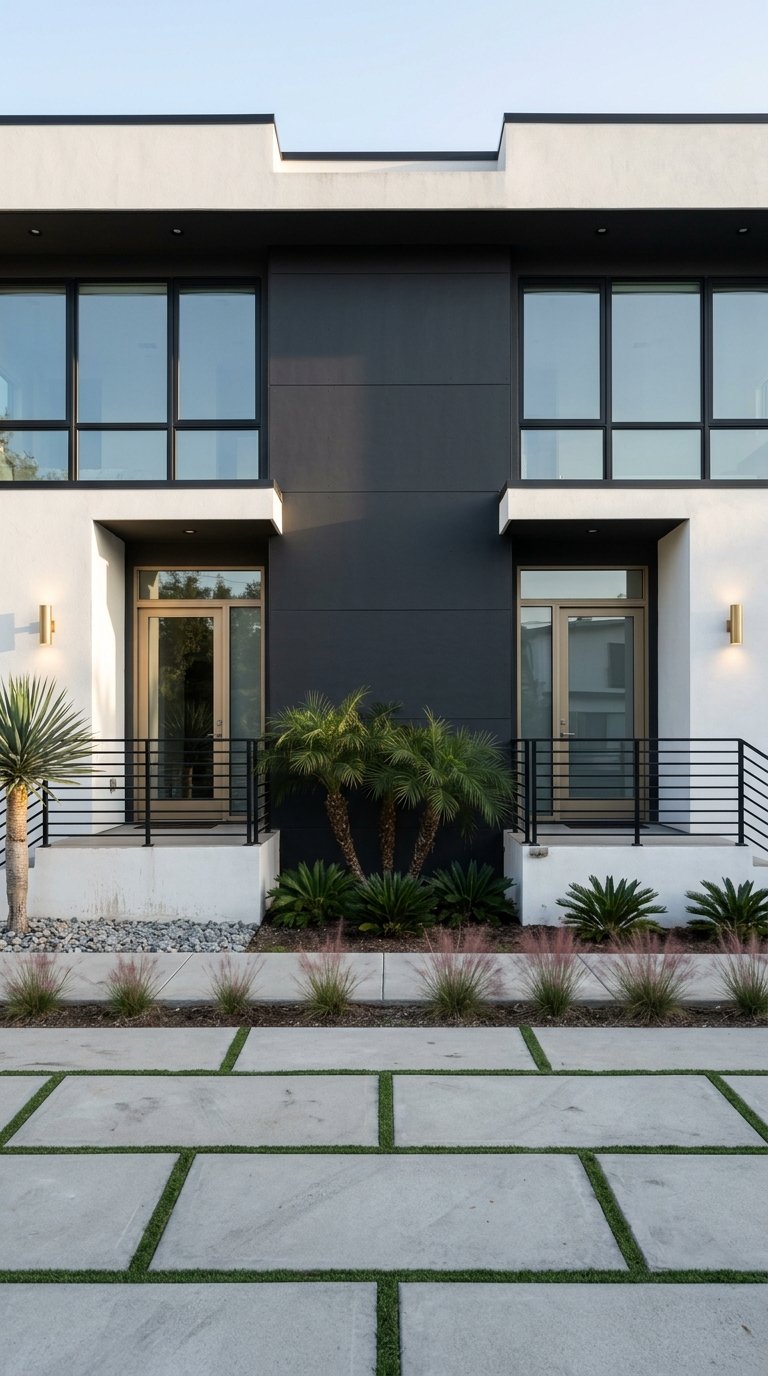
Thinking about buying a duplex or fourplex in Bradenton so your rent helps pay the mortgage? You’re not alone. With average apartment rents around Bradenton at about $1,812 per month and more people moving to the Suncoast, small multifamily can be a smart, hands-on way to start investing while keeping risk manageable. In this guide, you’ll learn how to evaluate 2–4 unit properties, what financing may fit, which local rules to know, and a simple, step-by-step underwriting example. Let’s dive in.
Bradenton market snapshot
Bradenton’s rental market gives first-time investors useful benchmarks. According to the latest RentCafe summary, the average apartment rent is about $1,812 per month, with typical two-bedroom units around $1,872 and three-bedrooms near $2,282. Use these figures only as starting points when modeling potential rents and always confirm with neighborhood comps. You can view the full rent breakdown in the RentCafe Bradenton market summary.
For purchase context, the 2025 median single-family sale price in Manatee County was $635,041, per the local REALTOR association’s year-end report. While 2–4 unit buildings can price differently than single-family homes, this county-level median helps you frame affordability and leverage. See the report from RASM here: Manatee County 2025 detail.
Local news and data services also reported strong apartment deliveries across the Sarasota–Bradenton area in 2025, which increased vacancy pressure while new projects lease up. That can slow rent growth in some submarkets. Review this background on new supply in Sarasota Magazine’s construction overview and underwrite conservatively at the neighborhood level.
What you can buy: 2–4 units
Small-multifamily in Bradenton typically includes duplexes, triplexes, and fourplexes. You’ll find classic ranch-style duplexes on single lots, small walkups, and older conversions. Pay attention to:
- Separate meters vs. one house meter for water and electric.
- Unit mix and square footage, especially two-bedroom layouts.
- Location differences, such as downtown, West Bradenton, or Bayshore Gardens, which can affect demand, rents, and turnover.
These 2–4 unit properties are often financed as residential when owner-occupied, which can open doors for lower down payments compared to larger apartments.
House hacking and financing options
If you plan to live in one unit and rent the others, you may qualify for owner-occupied financing.
- FHA loans. FHA insures mortgages on one- to four-unit properties for owner-occupants, with minimum down payments starting at 3.5% for eligible borrowers. Properties must meet FHA standards and you must satisfy occupancy and income rules. Review FHA guidance in the HUD Single-Family Handbook.
- Conventional loans. Many lenders offer conventional loans for 2–4 units. Terms vary by lender and reserves may be higher than for single-family homes. Ask whether they will consider subject-property rental income and exactly how they document it.
Tip: Contact lenders early to compare programs, down payment options, reserve requirements, and how they treat rental income from the property.
Underwriting basics: the numbers that matter
Use a simple framework and be conservative, especially with 2025’s extra supply in the region. Model these steps for each property:
- Gross Scheduled Rent (GSR). Sum of all market rents at 100% occupancy.
- Vacancy and credit loss. Stress test at 5% to 10% depending on the submarket and current competition. New supply argues for the conservative end of the range in many areas. See context in Sarasota Magazine’s overview.
- Effective Gross Income (EGI). GSR minus vacancy plus other income.
- Operating expenses. Taxes, insurance, utilities you pay, maintenance, management, and reserves. Small buildings often range from 30% to 50% of EGI depending on age and what the owner pays.
- Net Operating Income (NOI). EGI minus operating expenses.
- Cap rate. NOI divided by purchase price.
- Gross Rent Multiplier (GRM). Purchase price divided by annual gross rent.
- Cash-on-cash return. Annual pre-tax cash flow divided by total cash invested.
A simple example (illustrative only)
This case is hypothetical and only for learning. Replace every number with current, block-level comps.
- Property. Duplex with two 2-bedroom units.
- Market rent assumption. $1,872 per unit per month based on the RentCafe two-bedroom average. That equals $3,744 per month, or $44,928 GSR per year.
- Vacancy. 8% stress test. EGI = $44,928 × 0.92 = $41,334.
- Operating expenses. 38% of EGI. Estimated expenses = $15,707.
- NOI. $41,334 − $15,707 = $25,627.
- Purchase price. Assume $400,000.
- Cap rate. $25,627 ÷ $400,000 = 6.4%.
- GRM. $400,000 ÷ $44,928 = 8.9.
If you finance with a conventional investor loan at 20% down, your loan is $320,000. At a hypothetical 7.0% interest rate for 30 years, annual principal and interest is about $25,548. That yields roughly break-even cash flow before taxes and reserves. Your cash-on-cash would be minimal if you invested $80,000 down plus $10,000 closing costs and $10,000 in initial repairs. The lesson is clear: confirm real rents and expenses, negotiate price, and consider value-add plans to improve returns.
Owner-occupant angle. If you live in one unit, you will collect rent from only one unit. Your total mortgage payment may be offset by that rent, which can reduce your monthly housing cost. Underwrite both the investor case and the house-hack case before you decide.
Local rules and risk factors to know
- Short-term rentals. The City of Bradenton requires vacation-rental registration and compliance. If you plan to rent for fewer than 30 days or more than three times per year, review the city guidance and confirm your property’s eligibility. Start with the city’s Vacation Rental Registration guidance brochure.
- Flood and wind. Parts of Bradenton intersect FEMA Flood Insurance Rate Map zones. Lenders may require flood insurance, and insurers often request wind-mitigation inspections. Check the property’s FEMA FIRM zone and get quotes early. See Manatee County’s floodplain notice for context and resources here: FFRMS floodplain notice.
- Landlord-tenant law. Florida statutes set rules for notices, deposits, and evictions. If you face an eviction or unusual deposit dispute, consult an attorney. Review Chapter 83, Part II at the Florida Statutes portal.
- Property management licensing. Owners can self-manage. If you hire a manager who leases or negotiates for others, activities often require a Florida real estate license. Verify status through the state. See the DBPR guidance for Community Association Managers and licensing boundaries at myfloridalicense.com.
Due diligence checklist
Use this list with your agent, lender, and insurance team before you write an offer.
- Comps and rents. Gather recent 2–4 unit sales in the same ZIP and unit-level rent comps. Confirm actual rents with leases if possible.
- Taxes and exemptions. Pull the property tax history and check whether the current owner claimed homestead or other exemptions that could change after a sale. If you plan to owner-occupy, review the homestead exemption rules and deadlines through the Manatee County Property Appraiser.
- Zoning and legal use. Verify permitted use as a duplex, triplex, or fourplex. Confirm no unpermitted conversions.
- Flood and insurance. Determine the FEMA FIRM zone and obtain quotes for hazard, wind, and flood. Ask about wind-mitigation credits.
- STR compliance. If short-term rentals are part of your plan, confirm registration, inspection, and occupancy requirements with the City of Bradenton.
- Rent roll and leases. Request the rent roll, current leases, and payment history. Note expirations and deposit handling.
- Utilities. Identify which utilities are separately metered and which are owner-paid. Ask for utility billing histories.
- Building systems. Inspect roof, HVAC, plumbing, electrical, termites, and any moisture or structural concerns. Budget for immediate and multi-year capital items.
Taxes and planning basics
- Depreciation. Residential rental buildings generally use a 27.5-year recovery period for federal tax purposes. Start with IRS Publication 527 and work with a CPA on basis, elections, and recapture.
- 1031 exchanges. Like-kind exchanges can defer capital gains for property held for investment. Timing and structure are strict. Consult a qualified intermediary and tax professional.
Build your local team
Small multifamily is a team sport. Here is who you should speak with early:
- Real estate agent experienced with 2–4 unit deals who can deliver neighborhood-specific comps, rent rolls, and insight on metering and code issues.
- Mortgage lender who can outline owner-occupied FHA versus conventional financing, reserve requirements, and how they treat subject-property rents. Get it in writing with examples. Review FHA rules in the HUD Handbook.
- Insurance broker who quotes hazard, wind, and flood together and advises on wind-mitigation credits.
- Property manager with the appropriate Florida real estate licensing if you plan to hire out leasing or management. Verify status through myfloridalicense.com.
- Real estate attorney and CPA for lease issues, evictions, entity structure, depreciation strategy, and potential 1031 planning. For statutory rules on notices and deposits, see Florida Chapter 83.
Ready to explore Bradenton small multifamily?
If your goal is long-term income with hands-on control, 2–4 unit properties can offer a practical entry point. Start with conservative underwriting, confirm zoning and STR rules, and price insurance and taxes with care. Then pair solid numbers with an experienced local team to move confidently from search to closing.
If you’d like tailored comps, rent modeling, and a step-by-step plan for house hacking or investing in Bradenton, reach out to Laura Millslagle for a local, boutique-level consultation.
FAQs
Can I use FHA to buy a duplex in Bradenton?
- Yes, FHA insures one- to four-unit properties for owner-occupants, with minimum down payments starting at 3.5% for eligible borrowers; see the HUD Single-Family Handbook and confirm details with your lender.
What are typical rents for a two-bedroom in Bradenton?
- Recent RentCafe data shows average two-bedroom apartment rents around $1,872 per month in Bradenton; always verify with neighborhood-level comps and current listings in your target area using the RentCafe summary.
How does new apartment supply affect small multifamily?
- New deliveries across the Sarasota–Bradenton area in 2025 increased competition and can raise vacancy rates during lease-up, so underwrite with conservative vacancy and rent-growth assumptions; see Sarasota Magazine’s overview.
Do I need a license to hire a property manager in Florida?
- Owners may self-manage, but if you hire someone to lease or manage for others for a fee, those activities often require a Florida real estate license; verify status through myfloridalicense.com.
What should I know about Bradenton short-term rentals?
- The City of Bradenton requires registration and compliance for vacation rentals; review the city’s Vacation Rental Registration guidance before you buy or advertise.
How could homestead exemption affect taxes on a 2–4 unit?
- Property taxes can change after a sale; if you will owner-occupy a unit, review deadlines and eligibility for Florida’s homestead exemption through the Manatee County Property Appraiser and confirm how it may apply to multi-unit properties.